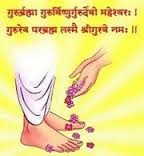
Utsava and observance
Uthsava or Utsava or Utsav is derived from the Sanskrit word, Utsava. The Sanskrit word Utsava comes from the word "ut" meaning "removal" and "sava" which means "worldly sorrows" or "grief". A festival may be observed with acts of worship, offerings to deities, fasting, feasting, vigil, rituals, fairs, charity, celebrations, Puja, Homa, aarti etc.
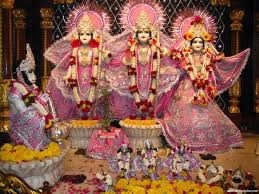
Makar Sankranti marks the transition of the Sun into the zodiac sign of Makara rashi (Capricorn) on its celestial path. The day is also believed to mark the arrival of spring in India and is a traditional event. Makara Sankranthi is a solar event making one of the few Indian festivals which fall on the same date in the Gregorian calendar every year: 14 January, with some exceptions when the festival is celebrated on 13 or 15 January.
Makar Sankranti, apart from a harvest festival is also regarded as the beginning of an auspicious phase in Indian culture. It is said as the 'holy phase of transition'. It marks the end of an inauspicious phase which according to the Hindu calendar begins around mid-December. It is believed that any auspicious and sacred ritual can be sanctified in any Hindu family, this day onwards. Scientifically, this day marks the beginning of warmer and longer days compared to the nights. In other words, Sankranti marks the termination of winter season and beginning of a new harvest or spring season.
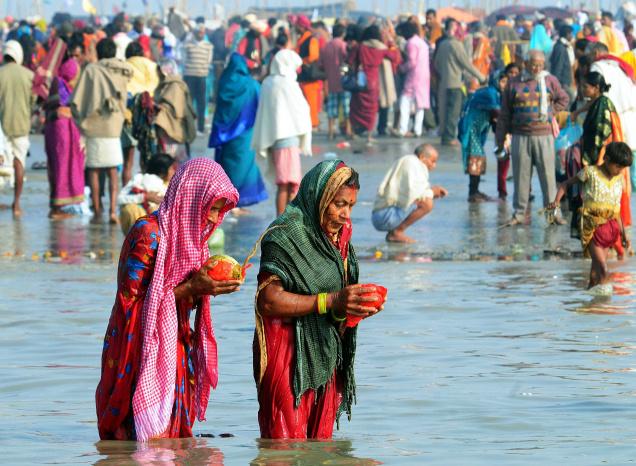
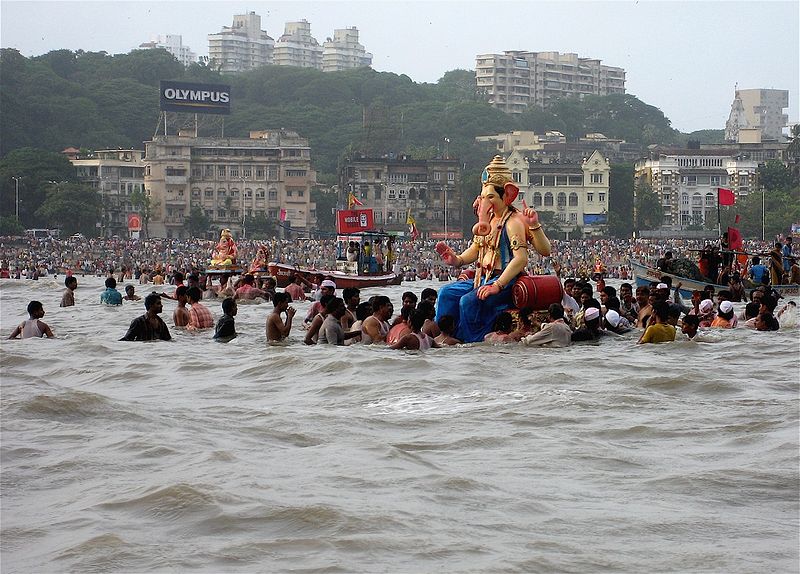
Ganesha Chaturthi (Ga?esa Caturthi or Vinayaka Caviti) is the Hindu festival celebrated in honour of the god Ganesha, the elephant-headed, remover of obstacles and the god of beginnings and wisdom. The festival, also known as Vinayaka Chaturthi, is observed in the Hindu calendar month of Bhaadrapada, starting on the shukla chaturthi (fourth day of the waxing moon period). The date usually falls between August and September. The festival lasts for 10 days, ending on Anant Chaturdashi (fourteenth day of the waxing moon period).
Traditional Ganesha Hindu stories tell of Lord Ganesha, son of goddess Parvati, who is consort of Shiva. Parvati created Ganesha out of sandalwood paste that she used for her bath and breathed life into the figure. She then set him the task of guarding her door while she bathed. Lord Shiva, who had gone out, returned and as Ganesha didn't know him, didn't allow him to enter. Lord Shiva became enraged by this and asked his follower Ganas to teach the child some manners. Ganesha who was very powerful, being born of Parvati, the embodiment of Shakti, defeated Shiva's followers and declared that nobody was allowed to enter while his mother was bathing. The sage of heavens, Narada along with the Saptarishis sensed the growing turmoil and went to appease the boy with no results. Angered, the king of Gods, Indra attacked the boy with his entire heavenly army but even they didn't stand a chance. By then, this issue had become a matter of pride for Shiva. Angry Shiva severed the head of the child. Parvati seeing this became enraged. Seeing Parvati in anger Shiva promised that her son will be alive again. The devas searched for the head of dead person facing North, but they found only the head of a dead elephant. They brought the head of the elephant and Shiva fixed it on the child's body and brought him back to life. Lord Shiva also declared that from this day the boy would be called Ganesha (Gana Isha : Lord of Ganas). According to the Linga Purana, Ganesha was created by Lord Shiva and Goddess Parvati at the request of the Devas for being a Vighnakartaa (obstacle-creator) in the path of Rakshasas, and a Vighnahartaa (obstacle-averter) to help the Devas achieve fruits of their hard work.
Mahashivaratri Festival or the The Night of Shiva is celebrated with devotion and religious fervor in honor of Lord Shiva, one of the deities of Hindu Trinity. Shivaratri falls on the moonless 14th night of the new moon in the Hindu month of Phalgun, which corresponds to the month of February - March in English Calendar. Celebrating the festival of Shivaratri devotees observe day and night fast and perform ritual worship of Shiva Lingam to appease Lord Shiva.
Legends of Mahashivratri
There are various interesting legends related to the festival of Maha Shivaratri. According to one of the most popular legends, Shivaratri marks the wedding day of Lord Shiva and Parvati. Some believe that it was on the auspicious night of Shivaratri that Lord Shiva performed the Tandava, the dance of the primal creation, preservation and destruction. Another popular Shivratri legend stated in Linga Purana states that it was on Shivaratri that Lord Shiva manifested himself in the form of a Linga. Hence the day is considered to be extremely auspicious by Shiva devotees and they celebrate it as Mahashivaratri - the grand night of Shiva.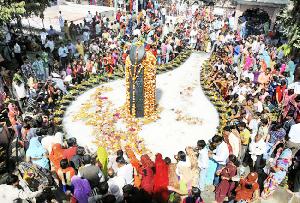
Traditions and Customs of Shivaratri
Various traditions and customs related to Shivaratri Festival are dutifully followed by the worshippers of Lord Shiva. Devotees observe strict fast in honor of Shiva, though many go on a diet of fruits and milk some do not consume even a drop of water. Devotees strongly believe that sincere worship of Lord Shiva on the auspicious day of Shivaratri, absolves a person of sins and liberates him from the cycle of birth and death. Shivaratri is considered especially auspicious for women. While married women pray for the well being of their husbands unmarried women pray for a husband like Lord Shiva, who is regarded as the ideal husband. To mark the Shivratri festival, devotees wake up early and take a ritual bath, preferably in river Ganga. After wearing fresh new clothes devotees visit the nearest Shiva temple to give ritual bath to the Shiva Lingum with milk, honey, water etc. On Shivaratri, worship of Lord Shiva continues all through the day and night. Every three hours priests perform ritual pooja of Shivalingam by bathing it with milk, yoghurt, honey, ghee, sugar and water amidst the chanting of “Om Namah Shivaya and ringing of temple bells. Nightlong vigil or jaagran is also observed in Shiva temples where large number of devotees spend the night singing hymns and devotional songs in praise of Lord Shiva. It is only on the following morning that devotee break their fast by partaking prasad offered to the deity.The colorful festival of Holi is celebrated on Phalgun Purnima which comes in February end or early March. Holi festival has an ancient origin and celebrates the triumph of 'good' over 'bad'. The colorful festival bridges the social gap and renew sweet relationships. On this day, people hug and wish each other 'Happy Holi'. Holi celebration begins with lighting up of bonfire on the Holi eve. Numerous legends & stories associated with Holi celebration makes the festival more exuberant and vivid. People rub 'gulal' and 'abeer' on each others' faces and cheer up saying, "bura na maano Holi hai". Holi also gives a wonderful chance to send blessings and love to dear ones wrapped in a special Holi gifts.

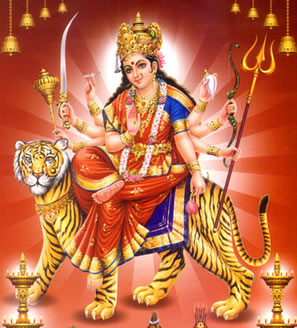
Navratri - Navratri, literally interpreted as 'nine nights' is the most celebrated Hindu festival devoted to Goddess Durga symbolizing purity and power or 'shakti'. Navratri festival combines ritualistic puja and fasting and is accompanied by resplendent celebrations for nine consecutive days and nights. Navratri in India follows the lunar calendar and is celebrated in March/April as Chaitra Navratri and in September/October as Sharad Navratri. During Navratri, people from villages and cities gather to perform 'puja' on small shrines representing different aspects of Goddess Durga, including Goddess Lakshmi and Goddess Saraswati. Chanting of mantras and renditions of bhajans and folk songs usually accompany the puja rituals for nine consecutive days of Navratri.
At that time Ravan, king of Lanka, was terrorizing the people, and all were longing for liberation from his menace. Ravan had acquired great power because he had obtained from god Brahma the boon that he would never die at the hands of gods, or gandharvas, or yakshas (demigods) or demons. As he was not afraid of men he did not care to include men in the list of his potential slayers. So Brahmadev declared that Ravan would die at the hands of a man. Then the gods went to Vishnu with the request, "Dasarath is a glorious king. Please, take birth in the wombs of his three queens in four different degrees of your divinity." When Dasarath's sacrifice came to an end a shining figure appeared over the sacrificial kund, and offered the king a divine beverage called "payasam" to be given to his queens Kausalya, Kaikayi, and Sumitra. In due time Kausalya gave birth to Rama, Kaikayi to Bharat and Sumitra to Laxman and Shatrugna. Rama was born at noon of the bright ninth day of Chaitra. He was believed to be the embodiment of half degree of Vishnu's divinity, (ardha ounsh).
Significance
Though Rama Navami is a major festival for Vaishnavites, it is widely celebrated by worshippers of Shiva, too. It is considered auspicious to undertake a fast on the day in the name of Rama. The more devout fast for nine days, from Ugadi to Rama Navami. The objective of the fast is not to ask for special favours of the deity but to seek perfection as a human being. Devotees perform elaborate pujas and chant the name of Rama. Temples of Rama have special services and bhajan sessions through the day. One significant and popular element of the celebration is the Ramayana parayana, a discourse on the Ramayana, by a pundit or a professional story-teller. It usually lasts nine days, beginning on Ugadi and ending on Rama Navami. A skilled story-teller who can liven up the event by weaving in contemporary events attracts massive crowds. Since Rama is also one of the most sung-about deities in Indian classical music and literature, week-long (and sometimes, month-long) musical programmes are organised. Sacred places associated with Rama, like Ayodhya, Ujjain and Rameshwaram, draw tens of thousands of devotees. In Rameshwaram, thousands take a ritual bath in the sea before worshipping at the Ramanathaswamy temple. Many places in North India host fairs in connection with the festival, culminating in spectacular fireworks on Rama Navami.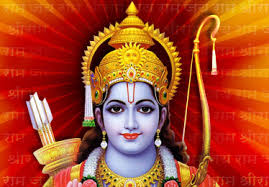
Janmashtami commemorates the earthly appearance of Krishna, who is described in Indias sacred writings as God Himself. One of the biggest religious festivals in the world, it is celebrated by nine hundred and thirty million people around the world--and two million in the US alone. To devotees, its Christmas and New Years in one, a day of deep spiritual renewal and celebration that effectively finishes an old year and begins a fresh one.
How is Janmashtami Celebrated?
Where Vaishnava temples exist, festivities begin before dawn and extend all day until midnight, the exact moment of the anniversary of Krishnas appearance. Events include kirtan, singing the Lords name along with other devotees; and japa, private, more intimate prayer. Some devotees cook a feast of over one hundred dishes, while others perform drama and dance. Some clothe and decorate the deity of Krishna while others string enormous flower garlands and other decorations for the temple. Incense burns, scriptures are read, and all but the young and the infirm fast all day. The deities are also bathed with a variety of auspicious liquids in a kind of ablution ceremony called abhisheka. Sometimes taking over two hours, this is performed with great pomp. Finally, at midnight, priests pull apart the curtains to reveal the freshly dressed deity of Krishna on a creatively festooned and colored altar. The excitement builds, and a rousing kirtan ensues.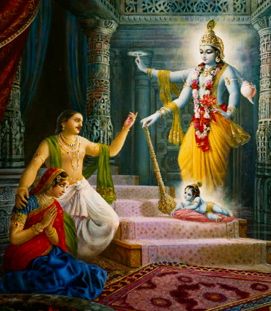
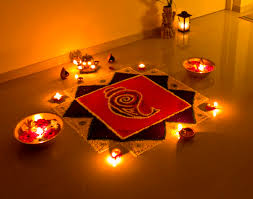
Deepavali (also: Depawali, Dipavali, Dewali, Diwali, Divali, Dipotsavi, Dipapratipad ) marks the beginning of the Hindu New Year according to the Lunar Calendar. It literally translated means 'Row of Lights' (from Sanskrit: dipa = lamp / awali = row, line). It celebrates the victory of Goodness over Evil and Light over Darkness - it ushers in the new year. Especially for this event people are cleaning their houses and wear new clothes. Deepavali is a 4 day festival as Deepavali, Lakshmi Puja, Kartika Shuddha Padwa and Yama Dvitiya. There are many different names for the days of Deepavali (or Diwali) in different regions of India (South & North India, East & West India) and in the different languages spoken in that regions (i.e. Hindi, Urdu, Telugu, Tamil, Gujarati, Bengali). During Deepavali people pray to Lakshmi, Goddess of wealth, light, prosperity and wisdom, but also to Ganesha, the 'Remover of Obstacles' and the 'Lord of Beginnings'.
The word "Guru" in Sanskrit is translated as "dispeller of darkness." Hence the Guru dispels the darkness of ignorance and leads the aspirants on the path to enlightenment. The day of Guru Purnima is traditionally the time when seekers offer the Guru their gratitude and receive his blessings. Guru Purnima is also considered an especially beneficial day to practice yogic sadhana and meditation.