What is vegetarianism?
Vegetarianism is the practice of abstaining from the consumption of meat (red meat, poultry, seafood and the flesh of any other animal), and may also include abstention from by-products of animal slaughter.
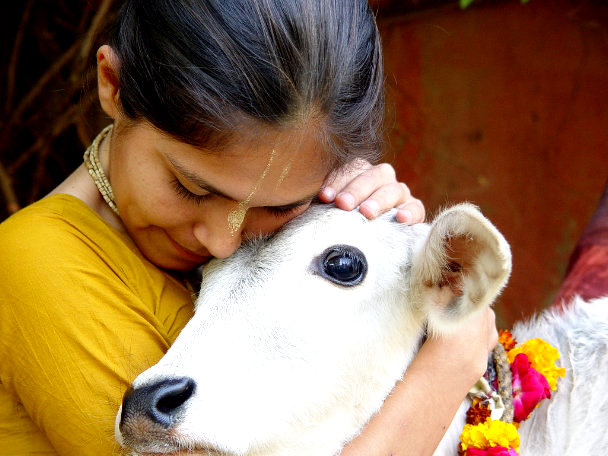
->Vegetarianism evolved in India slowly and it was not an original part of Hinduism. I know of a very orthodox vedic guy, who is one among the highest in scholarship (called agnihotri) and everyday he does the yajna (fire worship) with animals & eats the remains afterwards. Thankfully such extremists have been reduced to a miniscule now.
Indians took to vegetarianism because:
Dietary reasons Hindu scriptures divided foods into 3 types - Satva, Rajas, Tamas. Satva includes foodstuff that improves the thinking of the mind (milk, vegetables, fruits). Rajas foods are those that kindles emotions and sensual pleasures (spices, salt) and Tamas foods are those that slows down activities (any food that is hard to digest - lot of grains, meat). Since, the priests are required to concentrate for long times, they were required to take more of Satva food - means cutting out meat, while still consuming other animal products such as milk. Also, Satva foods are required to not emit any strong odor. This is because the odor can disturb the mind during meditation. Apart from meat, many orthodox Brahmins also avoid other smelly foods such as Garlic and onion.
Spiritual reasons Brahmins are required to spend a lot of time meditating and the act of killing any animal (himsa) can disturb the mind during the meditation. It can bring both guilt and violence in the mind. Apart from avoiding meat, Brahmins were also barred from warfare and any other kind of aggression that can disturb the mind.